Rasp Mine
The Rasp mine hosts a Mineral Resource estimate of 10.1Mt at 9.4% ZnEq
Background
The Rasp Mine is an operating silver-lead-zinc mine located in Broken Hill, NSW. The mine hosts a Mineral Resource estimate of 10.1Mt at 9.4% ZnEq (5.7% Zn, 3.2% Pb and 49g/t Ag) (Rasp MRE) reported in accordance with the 2012 Edition of the Australasian Code for Reporting of Exploration Results, Mineral Resources and Ore Reserves (JORC Code), with a plant capacity of 750,000 tonnes per annum. There are presently ~118 employees and contractors engaged at the Rasp Mine.
- Location
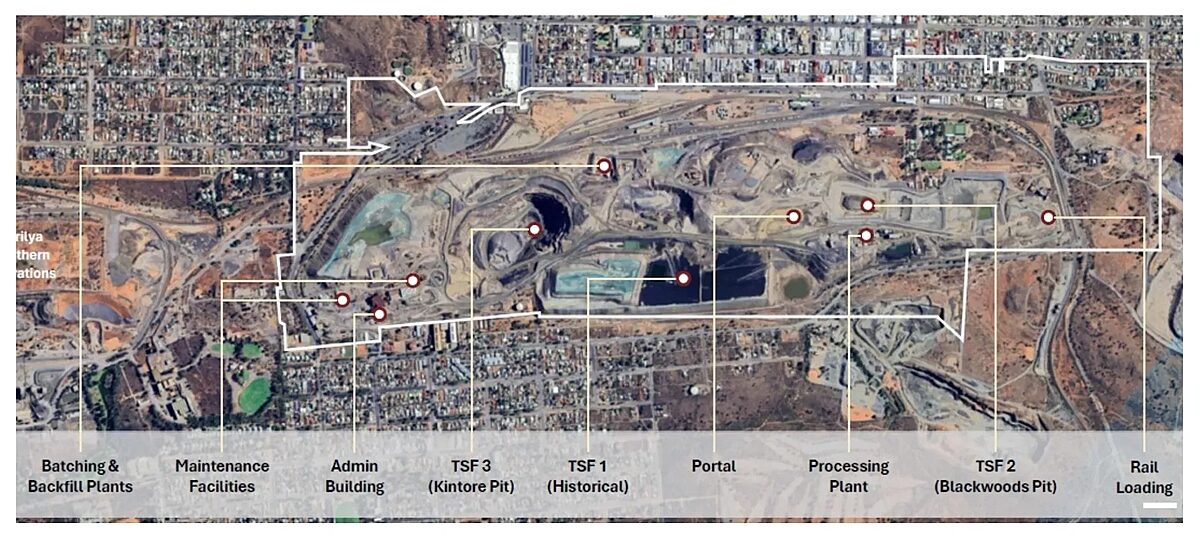
- Centrally within the city of Broken Hill, New South Wales
- Property
- Consolidated Mining Lease 7 (CML 7) inc. Mining Purpose Leases 183, 184, 185, 186, as well as ML1249, EL5818 and EL6059
- Mineral Resources
- 10.1 million tonnes at 9.4% ZnEq1 (5.7% Zn, 3.2% Pb & 48.5 g/t Ag)
- Mineralisation
- Metamorphosed VMS (volcanic hosted massive sulphide) deposit
- Mining Method
- Sub-level open stoping and up-hole stoping
- Processing Method
- Grinding, flotation, thickening and filtration
- Plant Capacity
- 750,000tpa
- Other Infrastructure
- Operating plant, sealed road and rail services, grid power to mine (22kV transmission)
- Workforce
- Residential (~118 employees & contractors)
BHM Ore Deposit
The Largest Silver, Lead & Zinc Deposit in the World
Clear Growth Strategy with Significant Optionality
Near-Term: High-Grade Focus
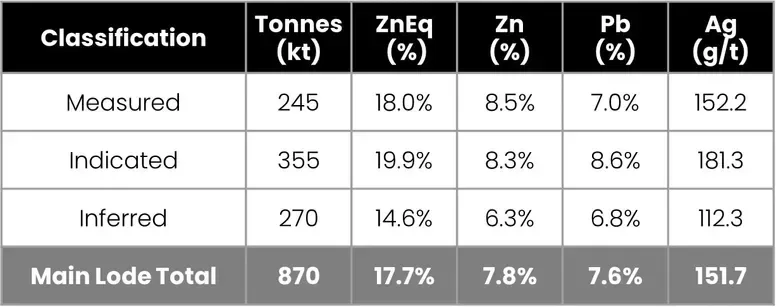
JORC 2012 MRE (Jan 2024)
Main Lode
Initial focus of BHM development at Rasp, increasing grade and metal units for processing. Part of the original ‘Line of Lode’, Main Lode resources are high grade and shallow
High-grade Main Lode areas include:
Blackwoods: 490kt @ 18.3% ZnEq (8.3% Zn, 7.5% Pb & 156g/t Ag)
British: 180kt @ 15.5% ZnEq (7.2% Zn, 7.2% Pb & 101 g/t Ag)
NBP: 140kt @ 21.6% ZnEq (8.3% Zn, 9.4% Pb & 222 g/t Ag)
Wilson: 60kt @ 11.1% ZnEq (5.6% Zn, 3.9% Pb & 105 g/t Ag
Medium-Term: Underpin Production

JORC 2012 MRE (Jan 2024)
Western Mineralisation
The Western Mineralisation deposit has provided the bulk of the tonnes during Rasp’s history
Mine plan to continue mining in the Western Min Lowers South and open up the Siberia deposit
Potential for resource extension in Lowers South and Siberia, with a large number high-grade intercepts outside the resource model
Long-Term: Continued Resource Growth

JORC 2012 MRE (Jan 2024)
Centenary
Centenary deposit remaining completely unmined to date
Limited exploration drilling (13 holes), orebody requires more drilling & definition (open in all directions)
Expected upside in grade and tonnage as orebody knowledge improves
Exploration plan to use lower levels of Western Min to establish drill platforms for further resources characterisation
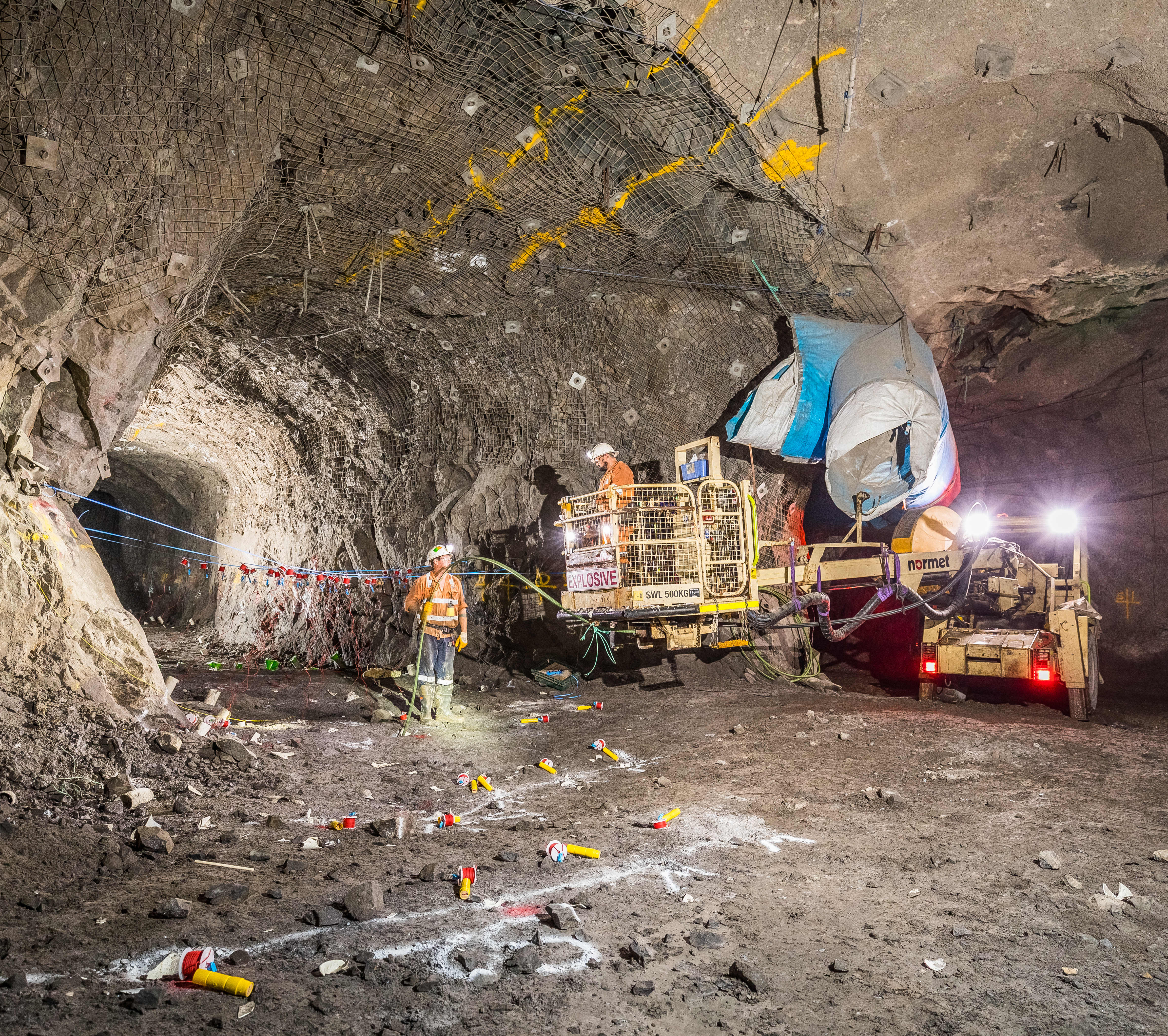

BHM to restart underground development in November 2024 to continue mine life
Geology
The ore deposits at Rasp Mine are hosted by a sequence of Proterozoic meta-sedimentary rocks. Current mining operations are primarily focused on the extraction of the Western Mineralisation (WM) and the original Main Lode mineralisation. The WM extends from approximately 100m below the surface to a depth of near 900m, where the deposit terminates against the Globe Vauxhall Shear. Mineralisation identified below this structure is associated with the Centenary Deposit which still remains open at depth.
Processing
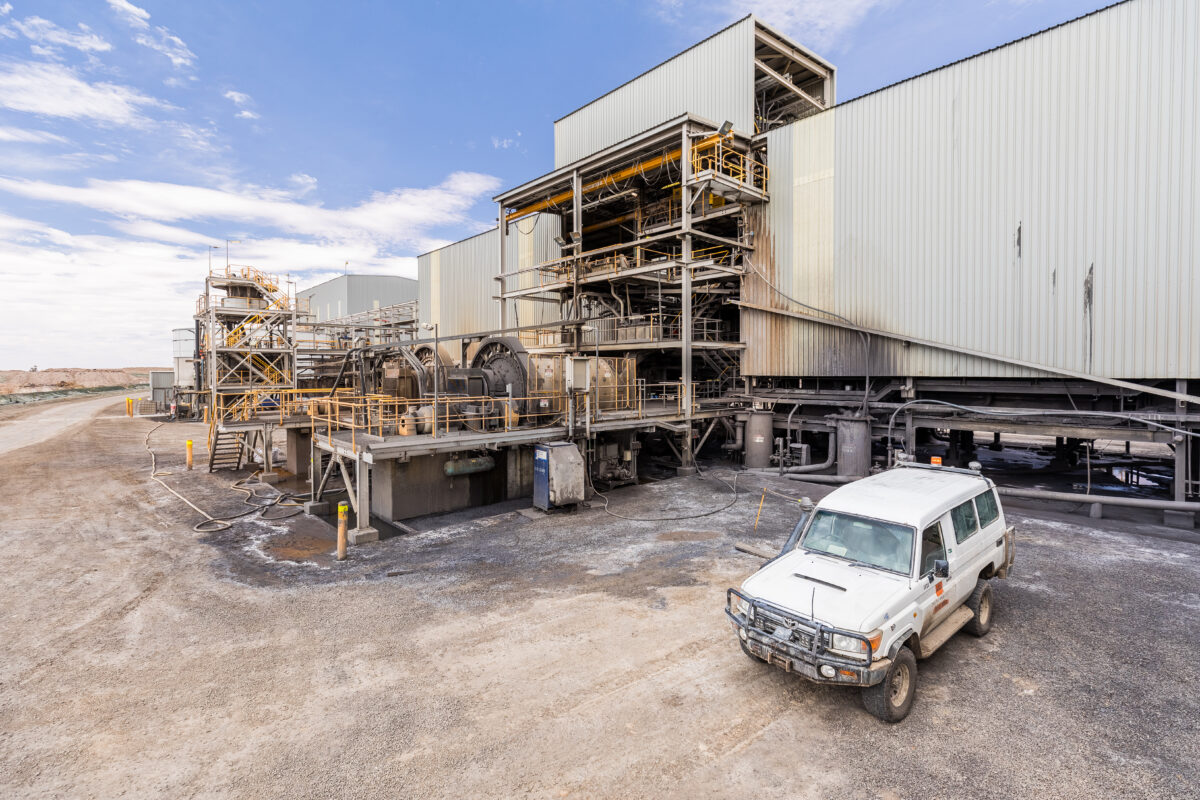
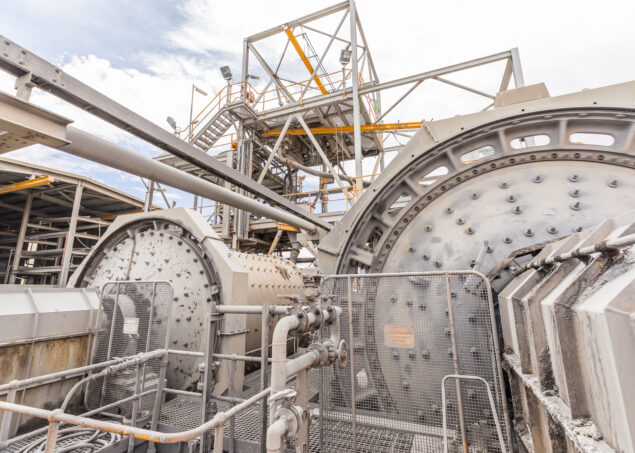
The Rasp concentrator is designed to process up to 750,000 dry metric tonnes per annum of silver-lead-zinc ore. A single stage jaw crusher and two stage grinding circuit are used to liberate the valuable minerals from the waste rock. These minerals are then separated from the waste using the traditional, sequential flotation process.
Two concentrates are produced - a lead-silver concentrate and a zinc concentrate. Tailings from the process are placed in the surface tailing storage facilities in the Blackwood’s Pit (TSF 2) and the Kintore Pit (TSF3).
The concentrates are thickened and then filtered. The filtered concentrate is discharged directly into sealed concentrate containers which are then trucked less than a kilometre to the Rasp rail siding. The lead concentrate is railed directly to the Port Pirie smelter (or can also be exported) and the zinc concentrate railed to the Port of Adelaide where it is unloaded and ultimately shipped to smelter facilities globally.
Mining
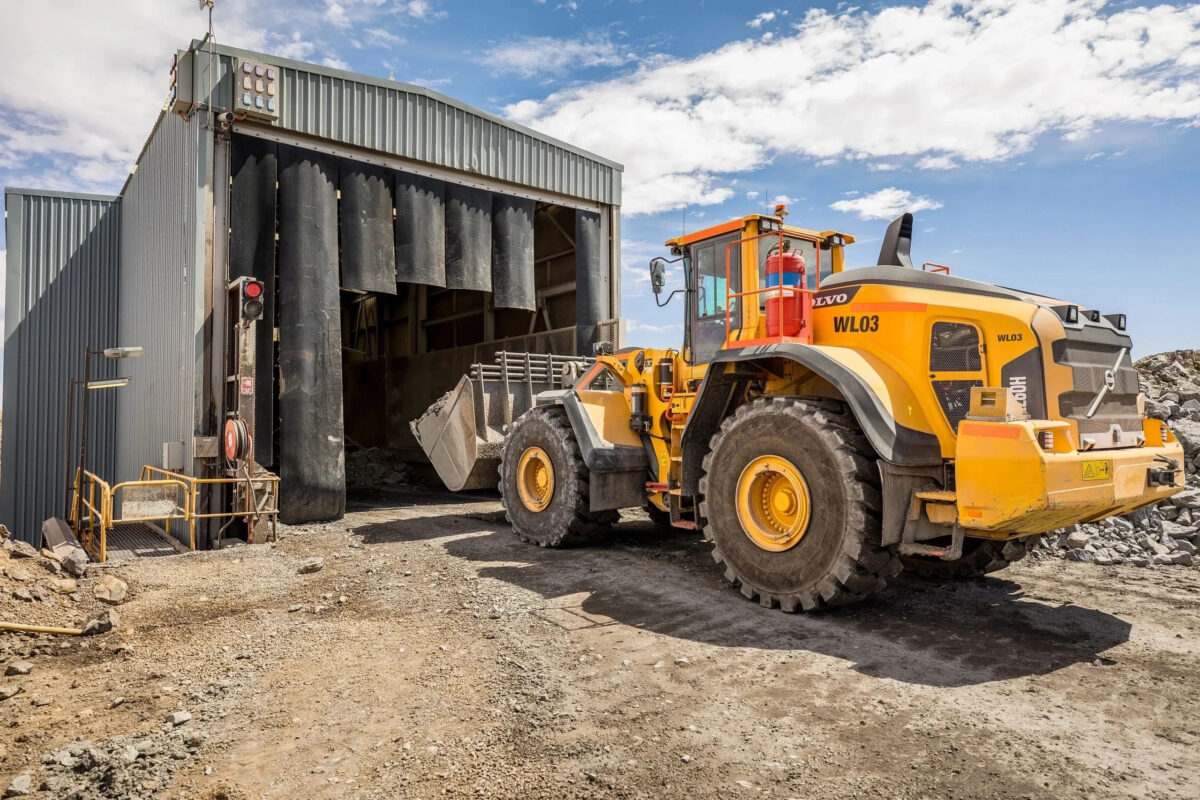
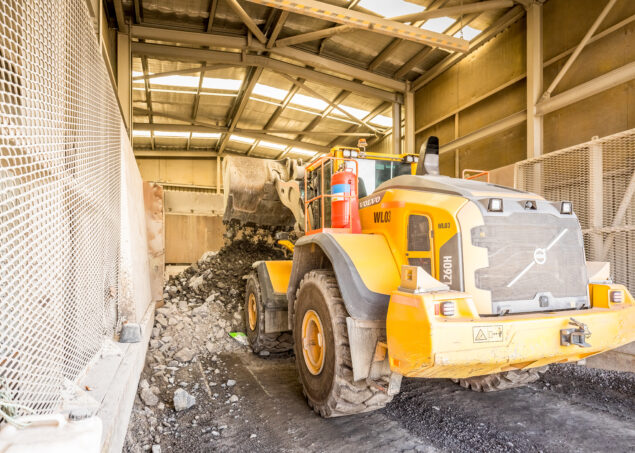
Mining operations are undertaken predominantly by an owner/operator workforce, with contractors being utilised to undertake specialised support services including fibrecrete and diamond drilling. Current mining rates are approximately 30,000t per month for a 100% trucking operation to the surface.
Mining involves development drives similar to a tunnel to access the orebody and ore is extracted by the excavation of large underground voids called stopes. Underground stoping production is dependent on the ore geometry and geotechnical parameters. Stope techniques employed at Rasp Mine include longhole open stoping, modified avoca, cut-and-fill and room-and-pillar. Approximately 60 stopes are extracted per annum with mining depth at approximately 500 metres below the surface.
Once the ore has been extracted, waste material from the mining operation is used to backfill these voids. Currently this is in the form of unconsolidated waste material (rockfill) with the aim to utilise the existing sandplant in the manufacture of hydraulic fill in the future.